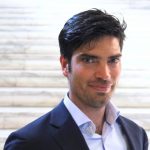
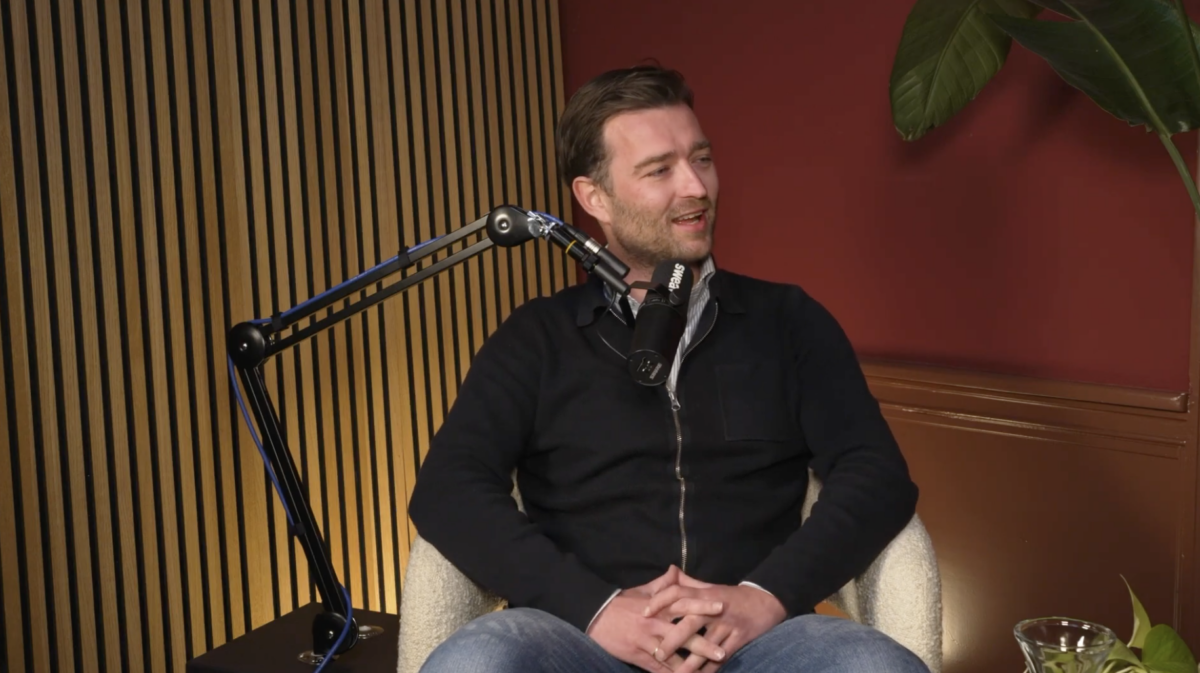
In our blog series “People like you”, Sweav members share their personal stories. In this episode, Robert Breugelmans shares his story. He is an interim consultant, former banker, and now a digital nomad.
Tell us something about yourself and your background
I was born and raised in Amsterdam. After that, I studied Economics & Finance at the University of Amsterdam. From early on, I was fascinated by foreign cultures and languages. As a result, I moved to Beijing, China, where I studied Mandarin for a year.
After China, I took the opportunity to go to Tokyo for an internship at Canon. There, I experienced my first professional culture shock. These experiences increased my appetite for building a life abroad.
For me, living abroad is one of the best ways to gain new perspectives, reinvent myself, build a new social life, and adapt to new social norms. I started my professional life by joining the ING Bank traineeship. Later, I used the opportunity to broaden my perspective even more by living in Singapore and New York City.
Why did you decide to quit your job?
After six years at ING, I noticed that I had become trapped in the corporate treadmill. I ended my ING career in the LBO division. There, I felt I was financing large private equity deals mainly to make wealthy people wealthier. As a result, I started questioning what I was contributing to the world.
In addition, I became increasingly fed up with the long working hours and the stress that came with the job. I felt I was giving up large parts of my life. Eventually, I was no longer willing to make that sacrifice. It was time to get rid of my golden handcuffs.
After quitting ING, I went on a 1.5-year soul-searching trip around the world. During the trip, I realized that I did not necessarily want to do something radically different. Instead, I wanted to use my finance skills for a different purpose and on my own terms.
I found that purpose in working with NGOs, social enterprises, and other for-good companies. For example, I support them as interim CFO or help them with fundraising. In addition, I wanted the freedom to work remotely. I now work on and off from Amsterdam, Boston, Seattle, and Nairobi.
How are you experiencing freelance life?
I think one big misconception is that you need the external validation that the corporate ladder provides. As a freelance consultant, you need to follow your own path.
In corporates, there is often a clear path paved for you. Many people value that path and have walked it before. However, as a freelancer, letting go of your ego is key. It also helps to stop pursuing the path that was designed to keep you in the corporate system.
What is the biggest misconception people have about freelancing in strategy or M&A?
For me, the biggest misconception was that finding projects would be too difficult. This felt especially true because my network in Dubai was still very limited at the time. Fortunately, the opposite turned out to be true. Once the word was out, numerous opportunities presented themselves.
What would be your advice for people considering going freelance?
Start telling people that you are considering quitting your job. The more you talk about it, the less scary it becomes. As a result, you will gain more self-confidence.
Specifically, talk to people who have already taken the step to independence. Also, talk to people who are five years ahead of you and live a life that inspires you.