Podcast, Sweav
From the ratrace to Sweav | Joeri Schouten
By Joeri Schouten •
2 min read

How do you make culture and strategy change happen as CEO with a private equity firm as a shareholder?
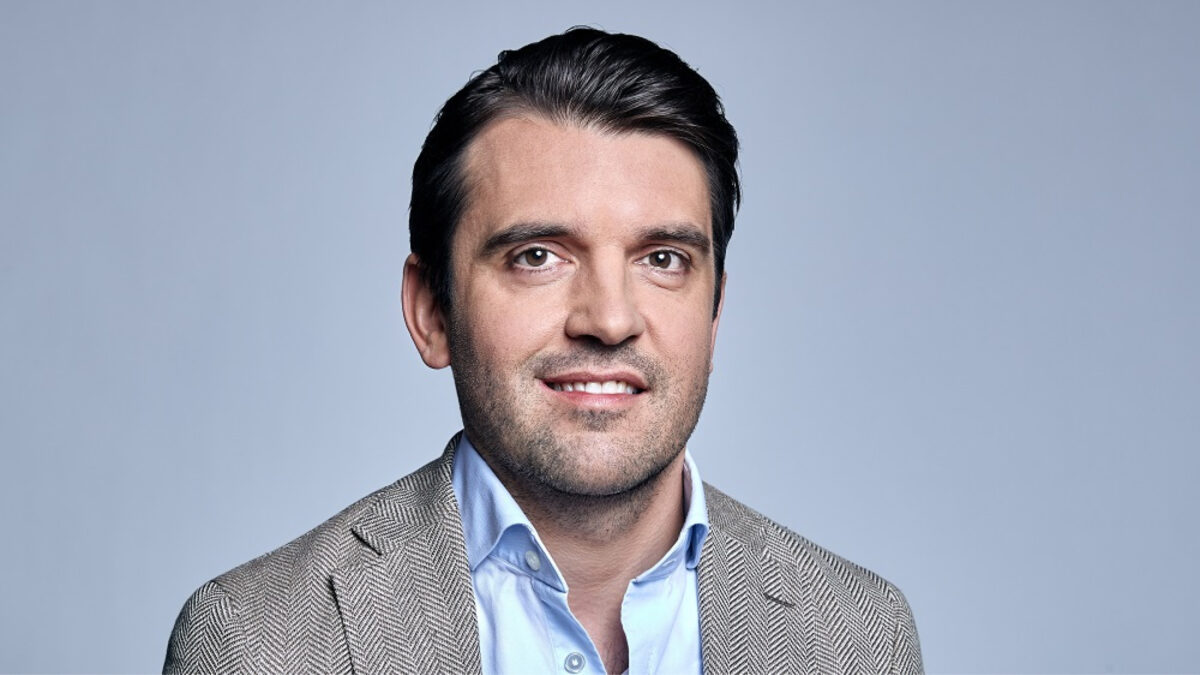
We recently explored this question with someone who has firsthand experience: Carel van Boetzelaer. He is CEO of World Wide Lighting, a leading e-commerce lighting player known for brands such as Lampdirect.nl. Together, we discussed how he reached his current position. We also explored what it took to succeed the founder as CEO of the Nordian-backed company.
You are the CEO of World Wide Lighting. What did you do to get into this position?
I began my career at Roland Berger, mainly because of its entrepreneurial spirit. As a consultant, I especially enjoyed working on private equity portfolio company projects.
Later, I joined a portfolio company of HAL Investments: Audionova, now Sonova International. There, I became regional manager at Schoonenberg Hoorsupport. During this period, I had the valuable opportunity to learn directly from an entrepreneur. I learned how to run a business and achieve financial success. Consulting does not usually emphasize that enough.
Several years later, I became CEO at Emesa, known for its platform Vakantieveilingen.nl. Later, Talpa acquired the company. After the acquisition, I noticed that my responsibilities increasingly focused on stakeholder management. For me, that proved challenging.
I see the value of managing shareholders, because their interests and motivations are clear. However, dealing with “stakeholders” in a political context does not always fit my strong focus on company goals.
Eventually, I wanted to focus more on value creation than on stakeholder management. Therefore, I started discussions with Nordian Capital. Their approach resonated with my values, because they focus on sustainability and corporate responsibility as investors. Through Nordian, I got the opportunity to join World Wide Lighting as CEO.
After a year, I realized that the company’s biggest challenge was to increase long-term sustainable profitability. Our growth engine relied heavily on Google Ads. However, those ads became more and more expensive.
We now focus strongly on reducing customer acquisition costs. In addition, we aim to increase the lifetime value of loyal customers. Essentially, we are transforming into an e-commerce company built on long-term B2B customer relationships.
To realize this transformation, we initiated two major organizational changes. First, we brought in young talent and formed a new executive management team. As a result, we added fresh perspectives and innovative ideas.
Second, we wrote a company-wide playbook. Previously, we often made decisions based on data and intuition. With the playbook in place, we can now analyze and predict potential pitfalls within a year.
As an ex-consultant myself, I am rather hesitant to bring in consultants. For operational roles, I often choose a less experienced but eager and talented internal professional.
However, for key strategic work that could distinguish us from the competition, I usually seek external freelance specialists. Their deep experience in a specific topic can give our teams and me a kickstart towards our strategic objectives.
For example, this could include building a B2B relational sales organization. It could also involve benchmarking lifetime value and customer acquisition costs. In addition, it could help us realize company-wide cultural change.
To achieve this type of ambition, I prefer working with Sweav over the usual consulting firms, such as Roland Berger or Deloitte. Mainly, this is because it is easier to bring in an interim expert in a very specific domain. You do not need to hire a full team.
These experts bring expertise, but they also get things done and create impact. In addition, Sweav is more reasonably priced. The still heavily involved founder also makes sure I get what I need very fast.
Definitely. Currently, most of our revenue comes from recurring sales, supported by strong customer relationships. Our goal was to move away from the transactional nature of e-commerce. Instead, we wanted to build a loyal customer base.
To achieve this, we built a comprehensive world behind the login for our so-called “gold customers”. Furthermore, we assigned dedicated account managers to specific customers. As a result, we can better understand their specific needs.
There are three main lessons I learned. First, move to a medium-sized company as early as possible. Then, immerse yourself in the operations to learn the business and understand how to make money.
In corporate environments, you can work for 15 years without talking to a customer. However, in smaller businesses, you immediately feel any mistakes in customer interaction.
Second, be clear in your communication and try to be patient. Finally, never underestimate the significance of the founder. Understanding their magic is crucial to your success.
Carel van Boetzelaer is CEO at World Wide Lighting (WWL). After completing several projects for mid-sized companies owned by private equity at Roland Berger, he held multiple positions within Schoonenberg/Audionova (a HAL portfolio company).